Curb Appeal or Cash Back? Which Yard Upgrades Actually Pay Off When You Sell
Let's be honest: most of us don't landscape with a spreadsheet in hand. We add a patio because we want somewhere to drink coffee in the morning, or we plant a row of arborvitae because the neighbor's fence is ugly. That's totally fine. Your yard should make your life better right now.
But if you're also thinking about resale value — and in today's housing market, most homeowners are — it's worth knowing which outdoor projects actually put money back in your pocket versus which ones you're doing purely for yourself. The gap between those two categories might surprise you.
The Big Picture: What Landscaping Does to Home Value
According to the National Association of Realtors (NAR) and the American Society of Landscape Architects (ASLA), well-executed landscaping can add anywhere from 5% to 15% to a home's perceived value. But "well-executed" is doing a lot of work in that sentence. A mature, thoughtfully designed yard in a neighborhood where buyers expect that kind of thing is very different from a fire pit and some string lights in a market where buyers are mostly focused on square footage.
The reality is that outdoor ROI is highly regional. A built-in outdoor kitchen is a near-necessity in parts of Southern California and Texas, where outdoor living is essentially a year-round sport. In Minnesota or upstate New York? That same kitchen might impress buyers, but it's less likely to move the needle on your sale price.
With that caveat in mind, here's how the most popular yard upgrades actually stack up.
Hardscaping: The Strongest Performer
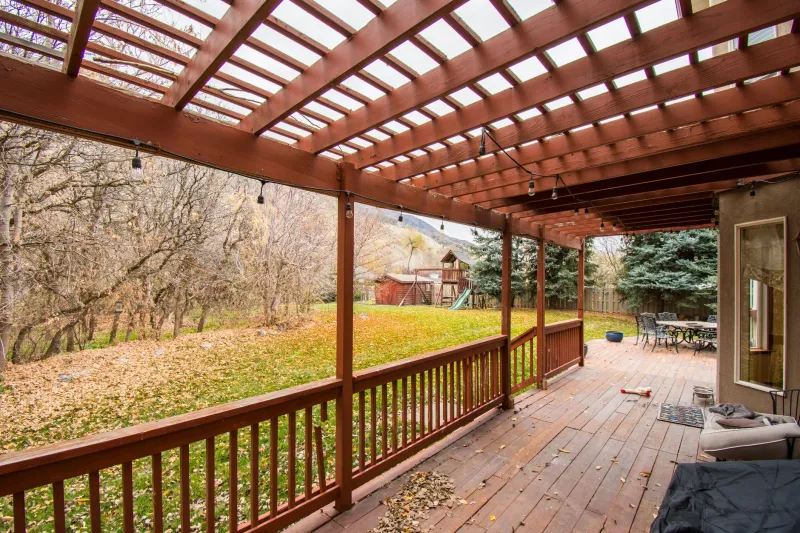
If there's one outdoor investment that consistently delivers at resale, it's hardscaping — patios, walkways, retaining walls, and similar permanent structures. The NAR's Remodeling Impact Report has repeatedly ranked a new patio among the top outdoor projects for cost recovery, with some estimates putting the return between 70% and 80% of the original investment.
Why does hardscaping hold its value so well? A few reasons. It's permanent, low-maintenance, and visually immediate. Buyers can see it and instantly imagine using it. A clean stone patio or a well-laid brick walkway signals that the property has been cared for, which builds buyer confidence across the board.
Pro tip: Stick with neutral, classic materials. Stamped concrete and natural stone tend to appeal to the widest range of buyers. Bold colors or highly personalized designs can actually work against you.
Mature Trees and Established Plantings: Slow Money, Good Money
Here's a counterintuitive one. Mature trees — the kind that take decades to grow — are genuinely valuable assets on a property. Studies from the USDA Forest Service have found that large, healthy trees can add between $1,000 and $10,000 to a home's value depending on species, placement, and local market. Shade trees on the south or west side of a house can also lower cooling costs, which is a selling point buyers in warmer climates actively look for.
The catch: you can't manufacture maturity. If you're planting now, you're mostly doing it for future owners or your own long-term enjoyment. That's not a bad thing — it's just not a quick-flip strategy.
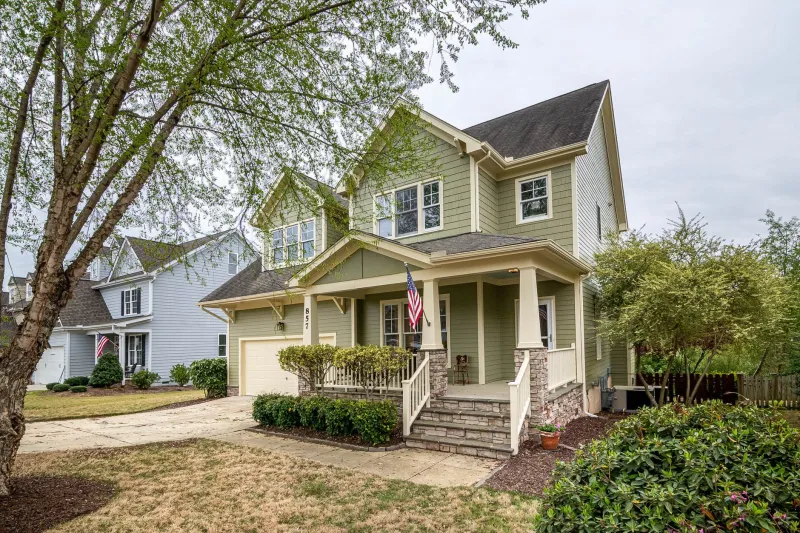
Established foundation plantings and well-maintained flower beds also contribute to curb appeal in ways that are hard to quantify but easy to feel. A home with lush, healthy landscaping simply photographs better and shows better, which can accelerate your sale even if it doesn't dramatically change the appraisal.
Lawn Quality: The Baseline That Buyers Notice
A thick, green, weed-free lawn won't make buyers gasp, but a patchy, brown, crabgrass-riddled one can genuinely hurt your sale. Think of lawn quality as table stakes — it's the baseline expectation in most suburban markets.
The good news: lawn improvement is one of the most cost-effective things you can do before listing. A season of proper fertilization, overseeding, and weed control costs a few hundred dollars and can dramatically improve your home's first impression. The NAR estimates a basic lawn care program returns around 267% of its cost in added value — though that number reflects perceived value and faster sales more than raw appraisal increases.
Fire Pits and Outdoor Fire Features: Lifestyle Win, Modest Financial Return
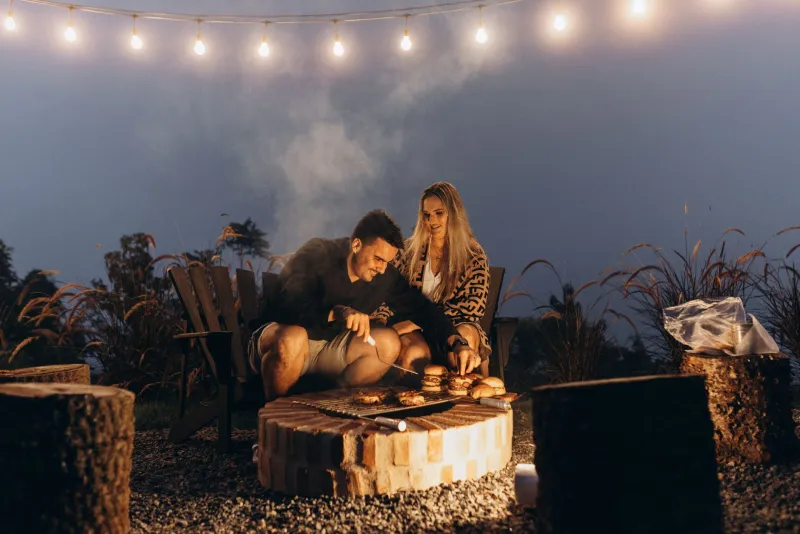
Fire pits are one of the most requested outdoor features in buyer surveys. People love them in theory. But in practice, the financial return is modest at best. A portable fire pit adds essentially zero to your appraised value. A built-in gas fire feature might recoup 50% to 60% of its cost in the right market, but it's far from guaranteed.
The honest take: if you'll use it and enjoy it for years before you sell, a fire feature is absolutely worth considering. Just don't build one primarily as a value-add strategy.
Outdoor Lighting: Small Investment, Outsized Impact
Landscape lighting is one of the most underrated upgrades on this list. Done well, it extends the functional hours of your outdoor space, improves safety, and makes your home look stunning in listing photos — which matters enormously in an era when buyers are scrolling through Zillow at 11 p.m.
The cost recovery on outdoor lighting is strong relative to its price point. A professionally installed pathway and accent lighting system might run $2,000 to $5,000 and can return close to its full cost in perceived value and faster sale times. Solar-powered options have gotten significantly better in recent years and offer a budget-friendly DIY path for homeowners who want the look without the full investment.
What Probably Won't Pay You Back
Let's talk about the projects that feel impressive but rarely recoup their cost at resale:
- Swimming pools in cooler climates: In the Sun Belt, a pool can be a genuine selling point. Everywhere else, it's often viewed as a liability — expensive to maintain, a safety concern for families with young kids, and an insurance headache.
- Highly themed gardens: Elaborate koi ponds, formal European-style gardens, or intensely personalized hardscaping designs tend to appeal to a very narrow slice of buyers.
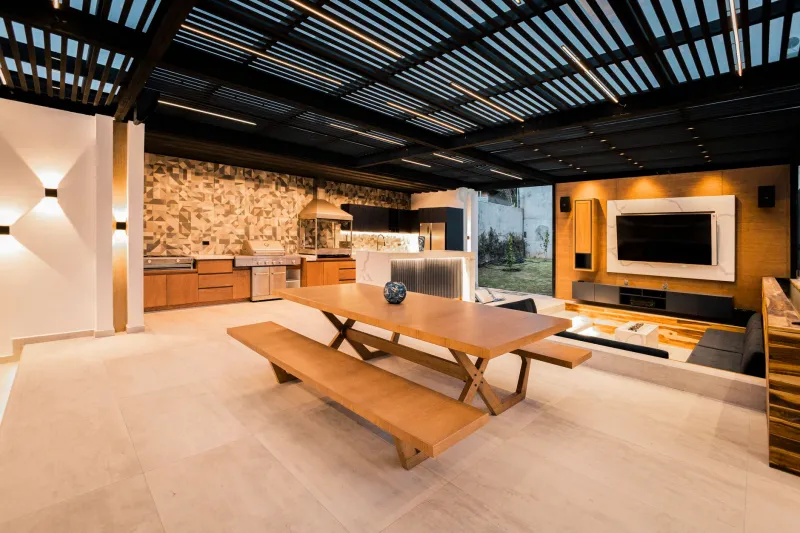
- Overly elaborate outdoor kitchens: A basic built-in grill and counter area has solid appeal. A full outdoor kitchen with a pizza oven, refrigerator, and custom tile work is a personal luxury that most buyers won't pay a premium for.
Making the Smart Call
The framework that works best: prioritize projects that improve your daily life and have broad buyer appeal. A clean, well-maintained lawn, a simple patio, good lighting, and healthy trees check both boxes. They make your yard more livable right now and more sellable later.
For the personal splurges — the fire pit, the elaborate garden, the outdoor kitchen of your dreams — go for it if it genuinely improves your life. Just do it with eyes open, knowing you're spending that money on enjoyment rather than equity.
Your yard should work for you today. With a little strategic thinking, it can work for your wallet tomorrow too.