Standing Water Is Slowly Wrecking Your Yard—Here's What to Do About It
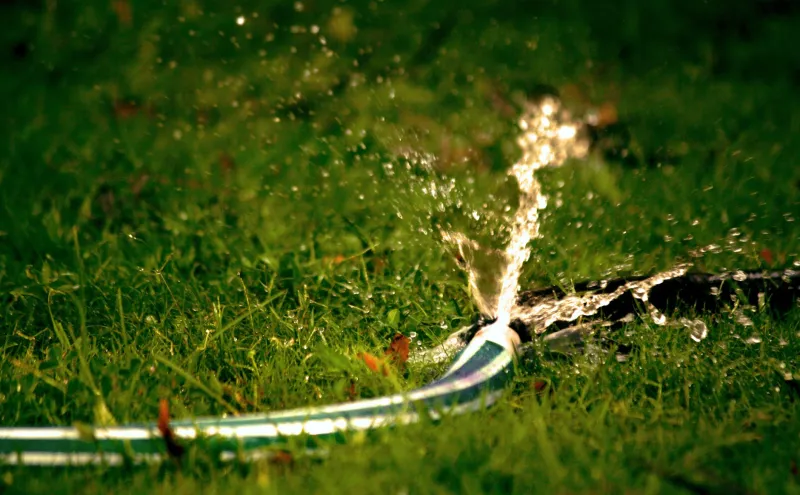
You've reseeded that one bare patch three times. You've tried a new fertilizer. You've babied it through summer heat and fall cool-down, and still—dead grass, muddy soil, and a yard that looks like it gave up. Sound familiar?
Here's the thing most homeowners never consider: the problem might not be your grass at all. It might be what's happening underneath it.
Poor drainage is one of those yard issues that hides in plain sight. It doesn't announce itself with a big obvious symptom. Instead, it chips away quietly—drowning roots, compacting soil, inviting disease, and eroding everything you've worked to build. By the time most people figure out drainage is the culprit, they've already spent hundreds on fixes that were never going to work.
If you're serious about growing a yard you're actually proud of, water management isn't a nice-to-have. It's the foundation everything else sits on.
What Bad Drainage Actually Looks Like
Before you can fix a drainage problem, you have to recognize one. And they don't always look like a pond in your backyard after a rainstorm.
Sure, standing water that lingers for more than 24 to 48 hours after rain is a classic red flag. But drainage trouble also shows up as:
- Perpetually soggy or spongy ground in certain spots, even when it hasn't rained recently
- Bare or thinning grass in low-lying areas where water collects
- Moss or algae growth on soil or hardscaping (both love consistent moisture)
- Muddy runoff tracking onto your driveway or patio after every rain
- Foundation dampness or basement moisture that seems to show up seasonally
- Soil erosion along slopes or near garden beds
Each of these is a clue. Your yard is trying to tell you something, and the message is almost always the same: water has nowhere good to go.
The Real-World Price Tag of Doing Nothing
Let's talk dollars, because this is where homeowners tend to pay the most attention—unfortunately, often too late.
Ignoring a drainage problem doesn't make it cheaper. It makes it exponentially more expensive. Here's a rough breakdown of what poor water management can cost you over time:
Dead or diseased lawn: Constant soil saturation suffocates grass roots and invites fungal diseases like brown patch or pythium blight. Reseeding or resodding a moderately sized area can run anywhere from $500 to several thousand dollars, depending on your lawn size and local labor costs.
Eroded landscaping: Water that moves fast and without direction carves paths through mulch beds, washes away topsoil, and undercuts retaining walls. Rebuilding eroded landscape features can cost $1,000 to $5,000 or more.
Hardscape damage: Pavers, patios, and walkways that sit on waterlogged ground shift, crack, and sink. Resetting or replacing a patio? You're looking at $2,000 to $10,000 depending on materials and scope.
Foundation issues: This is the nightmare scenario. When water consistently pools near your home's foundation, it seeps into cracks, causes settling, and can lead to serious structural damage. Foundation repair costs in the US average between $4,500 and $15,000—and can go much higher.
Compare all of that to the cost of addressing drainage early, and suddenly a few hundred dollars in gravel, a French drain installation, or a regrading job looks like a bargain.
Common Drainage Mistakes Homeowners Make
Most drainage problems aren't random acts of nature. They're the result of decisions—sometimes made by the current homeowner, sometimes by previous owners or builders.
Grading toward the house. Your yard should slope away from your foundation at a rate of about 6 inches for every 10 feet. When that slope runs the wrong direction, every rainstorm sends water directly toward your home. This is one of the most common—and most overlooked—drainage mistakes out there.
Planting without thinking about water flow. Dense plantings and thick mulch can block natural water movement, creating pockets where moisture sits and breeds problems.
Hardscaping without drainage planning. Adding a patio, driveway extension, or walkway increases impervious surface area. More hardscape means more runoff with fewer places to go. Without proper drainage channels built into the design, that water has to go somewhere—and it usually goes somewhere you don't want.
Ignoring downspout placement. Your gutters are doing their job, but if your downspouts are dumping water right against the foundation or into a low spot in the yard, you've just created a concentrated drainage problem.
DIY Fixes Worth Trying First
Not every drainage issue requires a contractor and a big check. There are some practical starting points any motivated homeowner can tackle on a weekend.
Regrade the problem areas. If you have a low spot that collects water, you can sometimes fix it by adding topsoil to raise the grade and redirect flow. This works best in open lawn areas without complex root systems nearby. Use a level and a long board to check your slope as you go.
Extend your downspouts. Cheap and surprisingly effective. Adding downspout extensions or flex piping to carry water at least 6 to 10 feet away from your foundation can make a noticeable difference in how your yard handles heavy rain.
Create a simple dry creek bed. If you have a natural path that water tends to follow anyway, lean into it. A dry creek bed lined with river rock gives runoff a defined, attractive channel to travel through—and it actually looks intentional.
Add a rain garden. A strategically placed depression planted with water-tolerant native plants can absorb significant runoff. Rain gardens are a popular choice in the Midwest and Southeast, where heavy seasonal rain is a regular reality, but they work across most US climates.
When It's Time to Call a Pro
Some drainage situations are genuinely beyond the DIY comfort zone, and there's no shame in recognizing that.
If you're dealing with persistent basement moisture, significant slope erosion, or water that consistently pools within a few feet of your foundation, it's worth bringing in a landscape contractor or drainage specialist for an assessment. A professional can evaluate whether you need a French drain system, a catch basin, a dry well, or a combination of solutions.
Get at least two or three quotes and ask specifically about long-term maintenance requirements for whatever system they recommend. A well-installed French drain, for example, can last 30 to 40 years with minimal upkeep—but a cheap install with the wrong materials can fail in a few seasons.
Drainage First, Everything Else Second
Here's the mindset shift that makes everything easier: think of drainage as your yard's infrastructure. You wouldn't build a house without a proper foundation, and you shouldn't invest in landscaping, sod, or hardscaping without first making sure your water management is solid.
Every beautiful yard you've ever admired—lush green lawn, thriving garden beds, pristine patio—is sitting on top of a yard that handles water well. That part just isn't visible, which is why it's so easy to skip.
Don't skip it. Fix the drainage, and everything else you invest in your outdoor space will actually have a fighting chance.