The 'Easy Yard' Promise Is a Lie—Unless You Know Your Climate Zone
Everyone wants a low-maintenance yard. Spend a weekend planting, step back, and let nature do the rest. It sounds great. The problem is that the landscaping industry sells this idea as if it's universal—the same plants, the same design strategies, the same promises—regardless of whether you live in Portland, Orlando, or Denver. And that's where the trouble starts.
Low-maintenance is real. But it's local. What grows itself in one climate demands constant intervention in another. Before you invest in a landscape redesign based on something you saw on Pinterest or in a home improvement store circular, you need to know what actually works where you live.
Why 'Low-Maintenance' Is Relative
The term gets thrown around so freely that it's almost meaningless without context. A low-maintenance plant is one that thrives in your soil, tolerates your rainfall patterns, survives your temperature swings, and doesn't require you to fight its natural tendencies. That's a very specific set of conditions.
Lavender, for example, is genuinely low-maintenance in California's Central Valley and the Southwest. It's drought-tolerant, loves full sun, and practically grows itself. Plant that same lavender in the humid Southeast, and you'll spend the summer watching it slowly rot from root fungus. Not low-maintenance. Not even survivable.
This is the trap. We see a beautiful, effortless-looking plant in a magazine, buy it, and then blame ourselves when it fails—when really, the plant was never suited to our conditions in the first place.
The Pacific Northwest: Stop Fighting the Ferns
If you live in western Washington, Oregon, or coastal Northern California, you are sitting on some of the most naturally productive growing conditions in the country. The challenge isn't getting things to grow—it's managing what grows aggressively.
True low-maintenance in this region means leaning into shade-tolerant, moisture-loving natives and groundcovers. Sword ferns, Oregon grape, and native bleeding heart spread readily and suppress weeds with minimal help. Creeping Jenny and sweet woodruff are excellent groundcovers that essentially manage themselves once established.
What doesn't work: Trying to maintain a traditional bluegrass lawn. In a wet, shaded yard, it's a constant battle with moss, fungus, and patchiness. Embrace the moss (seriously—moss lawns are low-maintenance and beautiful in this climate), or convert to a native groundcover mix. Fighting Pacific Northwest conditions with Midwestern lawn expectations is a losing game.
The Southwest and Desert West: Drought-Tolerant Isn't Just a Buzzword
In Arizona, New Mexico, Nevada, and Southern California, the low-maintenance landscape dream is most achievable—but only if you fully commit to xeriscape principles rather than half-heartedly adding a few cacti to an otherwise thirsty yard.
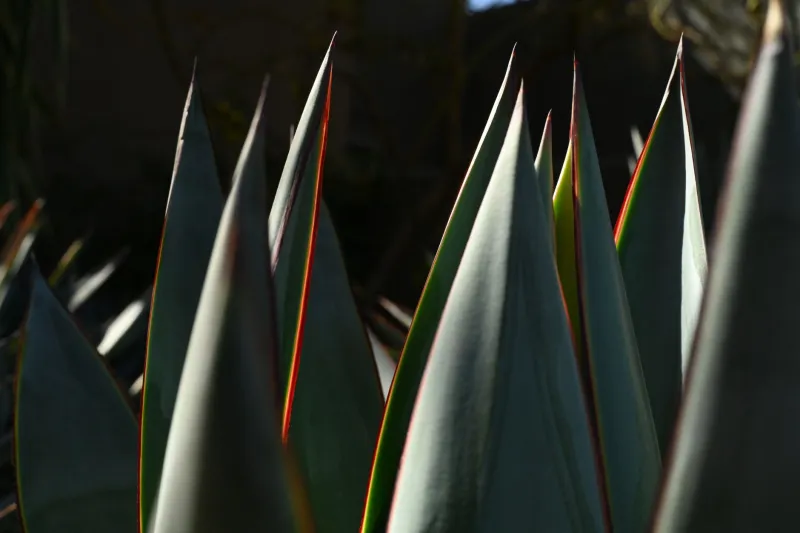
The plants that genuinely deliver here: Desert marigold, penstemon, agave, desert willow, and native salvias like Salvia greggii. These plants are adapted to alkaline soils, intense sun, and long dry stretches. Once established (typically after one full growing season with supplemental water), they require almost nothing.
What homeowners get wrong: Planting non-native drought-tolerant species that look similar but aren't actually adapted to desert soils—things like Mediterranean lavender or rosemary, which can work in mild desert climates but struggle in the extreme heat and alkalinity of the Sonoran or Mojave. Also, gravel mulch instead of organic mulch can actually increase soil temperatures and stress plants. In desert climates, 3–4 inches of organic mulch around plants conserves moisture dramatically better than decorative rock.
The South and Southeast: Humidity Changes Everything
Gardeners in Florida, Georgia, the Carolinas, Louisiana, and similar states deal with a unique combination: heat, humidity, heavy summer rainfall, and mild winters that allow pest and disease pressure to persist year-round. This climate is genuinely challenging for low-maintenance landscaping because so many popular plants either can't handle the humidity or become invasive.
What actually works: Muhly grass, black-eyed Susan (native varieties), beautyberry, loropetalum, and native azaleas are all solid performers. Sunshine ligustrum is a popular low-maintenance shrub throughout the Southeast. For groundcover, Asian jasmine is widely used—though be aware it can spread aggressively in some areas.
What to avoid: Anything that promises drought tolerance without also being humidity tolerant. Many western natives fail spectacularly in the Southeast's wet summers. Also, be very careful with plants labeled "vigorous spreaders"—in the warm, moist Southeast, vigorous becomes invasive fast. English ivy, Japanese honeysuckle, and Chinese wisteria are notorious examples that homeowners planted for easy coverage and spent years trying to remove.
The Midwest and Great Plains: Tough Love for a Tough Climate
If your yard swings from -10°F winters to 95°F summers with drought stretches in between, you need plants with genuine toughness—not just plants that are low-maintenance in mild conditions.
The winners here are native prairie plants. Coneflowers (Echinacea), black-eyed Susans, little bluestem grass, prairie dropseed, and wild bergamot are all adapted to exactly these conditions. They go dormant in cold, handle drought, and come back stronger every year. A native prairie-style garden in Kansas or Illinois requires almost no supplemental water after the first season and provides habitat for pollinators as a bonus.
What doesn't work: Traditional perennial borders designed for the milder climates of the Northeast or Pacific Northwest. Many popular perennials simply can't handle the combination of brutal winters and summer drought without significant coddling. If you're spending more than a few hours a week maintaining it, it's not low-maintenance for your climate.
The Northeast: Four Seasons Mean Four Sets of Demands
New England, the Mid-Atlantic, and the Great Lakes region offer the most classic American gardening conditions—but "low-maintenance" still requires smart plant selection. The key challenge here is finding plants that look good across a long, cold winter and then perform through humid summers.
Oakleaf hydrangea, native viburnums, switchgrass, spicebush, and inkberry holly are all genuinely low-effort once established. For lawns, fine fescue mixes outperform Kentucky bluegrass in shadier yards and require significantly less water and fertilizer.
The biggest mistake Northeast homeowners make: Planting ornamental grasses or perennials that look stunning in catalogs but aren't actually hardy below USDA Zone 6. Always check hardiness ratings for your specific zone before buying anything—not just the general region.
The Real Secret to Low-Maintenance Success
Here it is, plain and simple: the lowest-maintenance landscape you can build is one where every plant was chosen specifically for your soil, your rainfall, your temperature range, and your sun exposure. Not your neighbor's yard. Not a magazine spread from a different climate. Yours.
Visit your local cooperative extension office (every state has one) or a locally-owned nursery staffed by people who actually garden in your area. Ask what's thriving in yards nearby. That information is worth more than any national gardening guide—including this one.