5 Hardscaping Decisions Homeowners Wish They Could Take Back
Hardscaping is one of those outdoor investments that feels permanent in the best possible way—until it isn't. A poorly designed patio, a retaining wall that shifts, or a material that looks great in the showroom but crumbles by year three can turn a dream outdoor space into an expensive headache. We've talked to enough homeowners (and seen enough before-and-after horror stories) to know exactly where things go wrong. Here are the five mistakes that come up again and again.
Regret #1: Building a Patio That Bakes
This is probably the most common hardscape regret in the country, and it's entirely preventable. Homeowners pour money into a gorgeous concrete or stone patio, furnish it beautifully, and then realize it's completely unusable from May through September because it sits in full afternoon sun with zero overhead coverage.
Dark concrete and natural stone absorb and radiate heat like a cast iron skillet. On a 90°F day in Texas, Georgia, or Arizona, an exposed patio surface can hit 140°F. You're not sitting on that.
What to do instead: Before you finalize any patio design, map your sun exposure at different times of day across every season. If your patio will get direct western sun in the afternoon, build in shade from the start—a pergola, a shade structure, or at minimum, a spot engineered for a large cantilever umbrella. Lighter-colored materials like light travertine or concrete pavers also absorb significantly less heat than dark slate or charcoal concrete. Plan for shade before you pour anything.
Regret #2: Ignoring Drainage Until It's Too Late
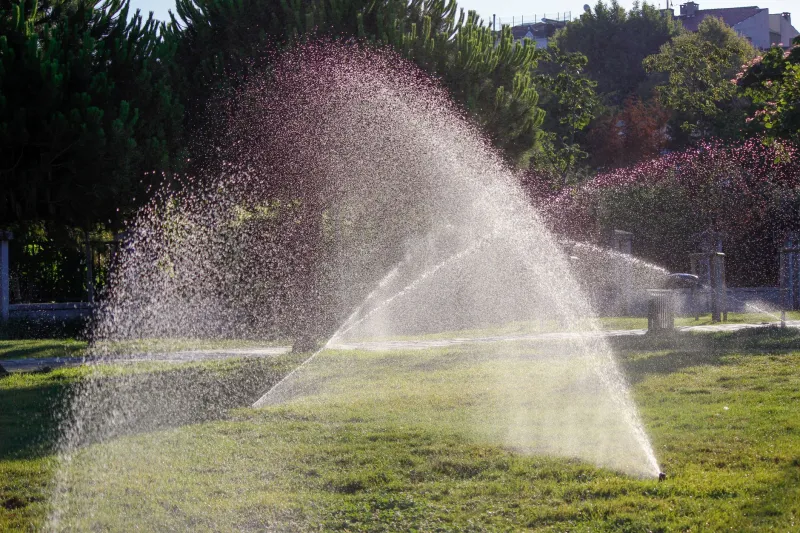
Water doesn't care about your renovation budget. If you add hardscape without thinking carefully about where rainwater goes, you will eventually pay for that oversight—sometimes in flooded basements, sometimes in cracked slabs, sometimes in a muddy mess that makes your yard unusable after every rain.
The problem usually happens when patios are installed without proper slope (you need at least a 1–2% grade away from the house), when impermeable surfaces cut off natural drainage paths, or when a new retaining wall traps water with no relief valve.
What to do instead: Any reputable hardscape contractor will address drainage in the design phase. If yours doesn't bring it up, you bring it up. Ask specifically: where does water go when it rains? Consider permeable pavers for large surface areas—they allow water to filter through and dramatically reduce runoff. For retaining walls, make sure weep holes or a gravel backfill drainage layer is part of the plan, not an afterthought.
If you're DIYing, this is the one area where hiring a professional for at least a consultation is worth every dollar.
Regret #3: Choosing Materials That Don't Belong in Your Climate
That reclaimed wood deck looked stunning in the Pacific Northwest design magazine. In Phoenix, it lasted two summers. The sandstone pavers that looked gorgeous in a Southern California backyard? They're flaking apart in a Minneapolis yard after three freeze-thaw cycles.
Material performance is deeply regional, and marketing materials don't always tell you that. Softwoods like cedar and pine need significant maintenance in hot, dry climates. Porous natural stones absorb water and crack when temperatures drop below freezing. Some composite decking materials warp in extreme heat.
What to do instead: Buy materials that are proven in your specific climate, not just materials that look good online. Talk to local contractors, not national retailers. Ask what's installed in yards that are 10 years old in your area and still looks great. For cold-climate patios, look for materials rated for freeze-thaw cycles (concrete pavers typically perform better than poured concrete). For hot climates, ask about heat absorption ratings and UV stability. Local knowledge beats catalog shopping every time.
Regret #4: Oversizing the Hardscape and Killing the Yard
Bigger isn't always better, and nowhere is that truer than with patios. There's a surprisingly common pattern where homeowners, eager to maximize their outdoor entertaining space, build a patio that takes up 60–70% of their backyard. Then they realize they've eliminated all the softscape—the grass, the garden beds, the trees—that made the space feel alive in the first place.
A yard that's mostly hardscape feels hot, stark, and oddly uninviting. It also creates significant drainage issues (see Regret #2) and can actually lower property value in some markets where buyers expect green space.
What to do instead: A good rule of thumb is to keep hardscape to no more than 30–40% of your total yard space. Design your patio to fit the activities you actually do—not the activities you imagine doing someday. A 12x16 patio comfortably seats six people for dinner. You probably don't need 800 square feet. Leave room for planting beds, lawn, and trees. The contrast between hard and soft surfaces is what makes outdoor spaces feel balanced and lush.
Regret #5: Skipping the Permit and Paying for It Later
This one stings because it feels like a bureaucratic annoyance right up until it becomes a very expensive legal problem. Retaining walls over a certain height, large decks, pergolas, and some patio covers require building permits in most US municipalities. Homeowners skip permits to save time and money—and sometimes because a contractor suggests it—and then face the consequences when they try to sell the house.
Unpermitted structures can derail home sales, require demolition or reconstruction at the seller's expense, and in some cases create liability issues if someone is injured on the structure.
What to do instead: Call your local building department before you start any significant hardscape project. Ask what requires a permit in your jurisdiction. Yes, it adds time and a small fee. No, it is not optional if you want to protect your investment. A legitimate contractor will pull permits as a matter of course—if a contractor tells you permits aren't necessary for a project that clearly requires one, that's a red flag about everything else they'll cut corners on.
The Bottom Line
Hardscaping done right is one of the best investments you can make in your property. Done wrong, it's one of the most expensive mistakes to undo. The common thread through all five of these regrets is the same: they were all avoidable with a little more planning upfront. Slow down before you break ground, ask the hard questions, and build something you'll still love a decade from now.