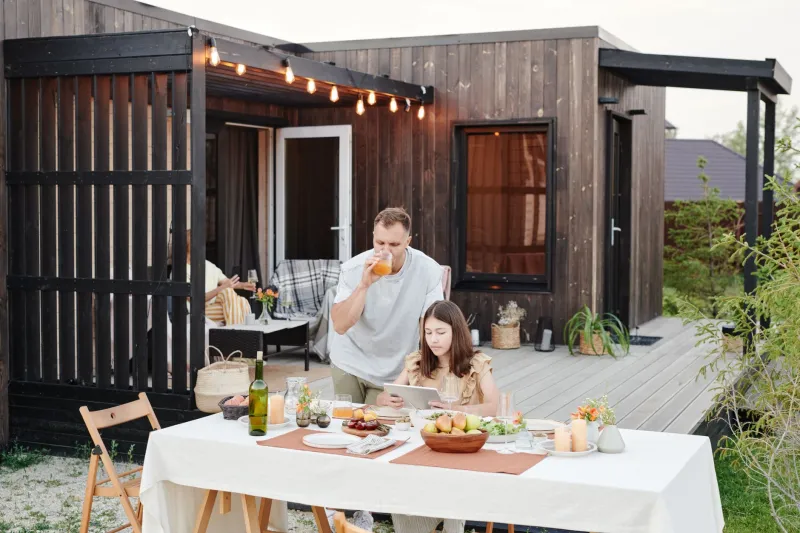
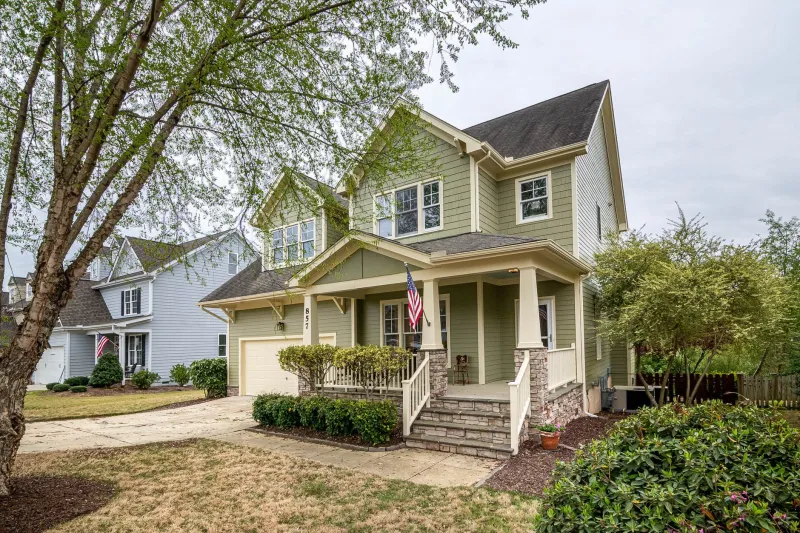
Your Yard Looks Great—So Why Does Nobody Ever Go Outside?
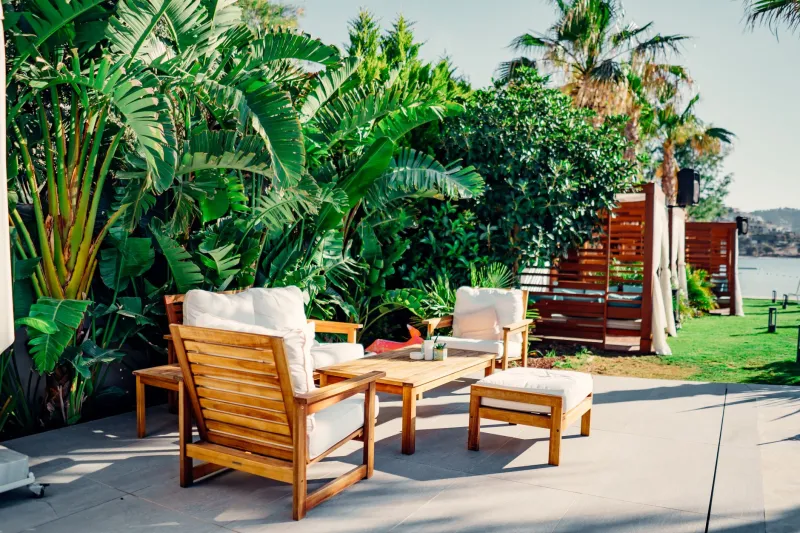
Here's a scenario a lot of homeowners know too well: You've got a decent backyard. Maybe you've even put some real effort into it—a patio set, some landscaping, a string of lights that looks great in photos. And yet, most evenings you're on the couch watching TV while that outdoor space sits completely empty.
This isn't a design problem. Your yard doesn't need a full renovation or a landscape architect. What it needs is a closer look at the invisible friction that's keeping you and your family from actually stepping outside. These are behavioral and logistical barriers—small but stubborn—and once you name them, they're surprisingly easy to fix.
The Invisible Wall Between You and Your Yard
Psychologists who study habit formation talk a lot about "activation energy"—the amount of effort it takes to start a behavior. The higher the activation energy, the less likely you are to do the thing, even if you genuinely want to.
Your yard probably has a high activation energy problem. Maybe getting outside means unlocking a sticky sliding door, walking past a cluttered garage, or navigating a back porch that's become a storage zone. None of those things are huge obstacles on their own, but stacked together, they're enough to make the couch win every time.
The fix: Do a friction audit. Walk the path from your most-used room to your outdoor space and note every small annoyance. A door that's hard to open, a step with no light at night, shoes you have to hunt for—fix these one by one. You're not redesigning anything. You're just removing the excuses your brain quietly makes.
You Can't See It, So You Don't Think About It
Out of sight really is out of mind when it comes to outdoor living. If your yard isn't visible from the kitchen, living room, or wherever your family naturally gravitates during the day, it essentially doesn't exist in your daily awareness.
This is one of the most underrated reasons yards go unused. You're not going to spontaneously decide to go outside if you have to walk to a different part of the house just to remember the yard is there.
The fix: Create a visual connection. Reposition a chair so it faces a window that looks out back. Add something visually interesting to the yard that draws your eye—a colorful planter, a bird feeder, a small water feature. When you can see the space from where you already spend time, you'll think about it more. And thinking about it is the first step to actually going out there.
Your Furniture Is Working Against You
Here's an uncomfortable truth: a lot of outdoor furniture is designed to look good in catalog photos, not to be genuinely comfortable for more than 20 minutes. Thin cushions that flatten out, chairs that sit at awkward heights, tables that wobble—these things add up fast. If sitting outside feels less comfortable than sitting inside, your body already knows which one it's going to choose.
The fix: You don't need to replace everything. Start with one seating area and prioritize comfort like you would for an indoor space. Thick, weather-resistant cushions make an enormous difference. Add a side table at a usable height. If you're someone who likes to put your feet up, get an ottoman that actually holds up outdoors. The goal is to make outside feel as effortless as your living room.
There's Nothing to Do Out There (For Everyone)
Adults can sit and decompress. But kids? They need something to engage with, or they're back inside within five minutes. And if the kids are inside, most parents follow. This is one of the most common—and most fixable—reasons families don't use their yards.
The same logic applies to adults, honestly. If your outdoor space is just a place to sit and look at the grass, the novelty wears off fast. People gravitate toward spaces that offer something to do, even passively.
The fix: Build in activities for multiple family members. A cornhole set or bocce ball takes up almost no space and gets people moving. A small raised garden bed gives kids something to tend and check on. A dedicated spot for a puzzle or cards on a covered porch creates a reason to be outside even when it's overcast. You're not building a theme park—you're just giving people a reason to stay a little longer.
The Transition Time Problem
Sunday afternoon rolls around and someone says, "we should go outside." But then it's too hot, or the chairs need to be wiped down, or nobody can find the bug spray, or the umbrella won't open right. Twenty minutes later, the moment has passed.
Transition friction kills outdoor time. The longer and more annoying the setup process, the less often it happens.
The fix: Keep your outdoor space ready to use. Store bug spray, sunscreen, and a lighter for the citronella candles in a small basket right by the back door. Keep chairs in position rather than stacked. If you have a grill, make sure it's always clean and prepped. The goal is a yard you can be in within 60 seconds of deciding to go outside. When the barrier is that low, you'll actually do it.
You Haven't Given Yourself Permission to Just Be There
This one sounds a little soft, but it's real. A lot of homeowners treat their yard like a project—something to maintain, improve, or show off—rather than a place to actually inhabit. So when they go outside, they end up pulling weeds or mentally cataloging what needs to be done instead of relaxing.
Your yard is allowed to be a place for living, not just maintaining.
The fix: Designate one spot in your yard as a no-chores zone. It could be a corner with two chairs and a small table, or a hammock between two trees. When you're in that spot, the deal you make with yourself is simple: you're just there. Not planning, not fixing, not assessing. Just outside. It sounds obvious, but giving yourself explicit permission to relax in the space changes how you experience it.
Small Shifts, Big Difference
None of this requires a landscape overhaul or a big budget. What it requires is a little honest observation about why your yard isn't getting used and a willingness to make small, targeted changes.
Reduce the friction. Improve the visibility. Make the furniture worth sitting in. Give everyone something to do. Keep the space ready to go. And then actually let yourself enjoy it.
Your yard is already there. It's already yours. The outdoor life you keep meaning to have is a lot closer than you think—it just needs a few small doors opened to let you in.